
A Retrospective Review and Benchmarks
- RRP: I can’t seem to find it anywhere
- Release date: October 1st 2005
- Purchased in April 2025
- Purchase Price: £13.42
Introduction – The GeForce 6000 series
The NVIDIA GeForce 6 series, launched in April 2004, bringing Shader Model 3 in a year before ATi got around to it with their X1000 series cards
The series also introduced NVIDIA PureVideo, a hardware-accelerated video decoding feature that improved video playback quality and reduced CPU usage during multimedia tasks.
Another key innovation was the introduction of Scalable Link Interface (SLI), which enabled users to combine two compatible GeForce 6 cards in a single system for increased graphics performance.
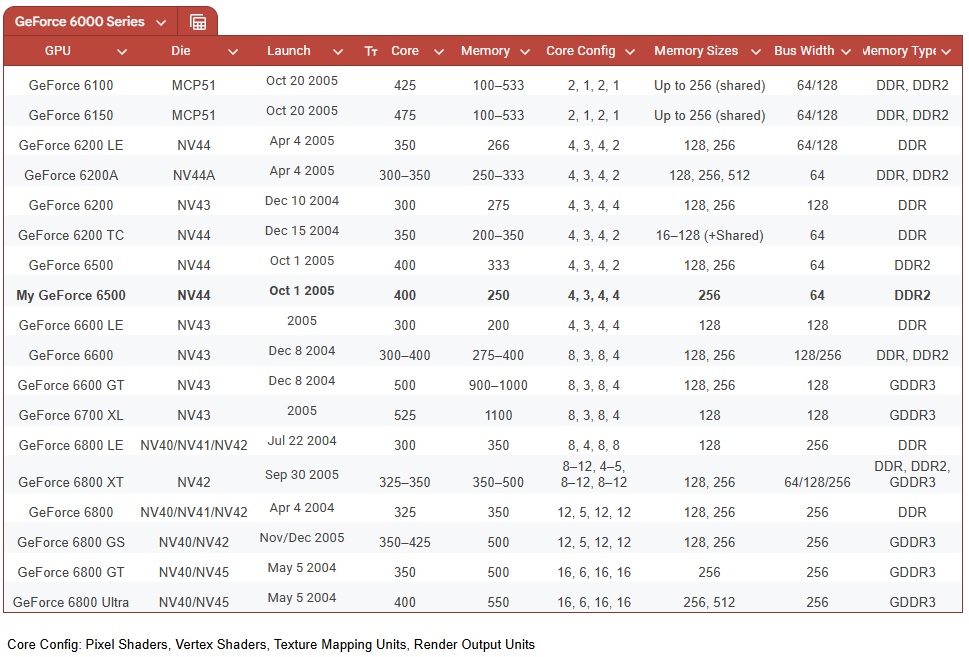
The GeForce 6 family covered a wide range of market segments, from entry-level integrated solutions like the 6100 and 6150, through mainstream models such as the 6200 and 6600, up to high-end enthusiast cards like the 6800 Ultra.
The 6000 series supported DirectX 9.0c and OpenGL 2.0.
The Card – GeForce 6500

There isn’t too much online about the 6500 but that will mainly be because it’s actually a 6200 released a year later with slightly improved specs designed for OEM systems.
I haven’t really been able to find any reviews from the era from any reputable websites, even youtube doesn’t seem to have any results which is surprising.
My version of this card was another Ebay purchase costing a little over £13 delivered. It has no manufacturing details showing on the PCB or on GPU-z. The Ebay ad suggested that it was a Sapphire card but I could find nothing to back this up.

For some reason, I have twice the ROP’s on here as Wikipedia (and so my table above) thinks I should have, matching the four from the 6200. I’m also rocking DDR2 which shouldn’t be available, only the 64 bit memory bus width will stop this card from matching the specs of the higher 6600.
So, it’s a bit of an odd card in a pretty huge range of similar offerings from Nvidia at the time. This is similar to what I found with the X1300’s also to be fair, so many OEM’s and manufacturers seemed to do things their own way back then.
As you may expect, it’s an unremarkable card to look at, passively cooled though and full height.
Let’s see how it compares with the ATi Cards already tested, the comparison of the key differences are below:
| Connect3D Radeon X1300 Pro | Lenovo X1300 | GeForce 6500 | |
| Memory Amount and Type | 256Mb DDR2 | 256Mb DDR2 | 256Mb DDR2 |
| Memory Bus Width | 128 bit | 64Bit | 64 Bit |
| GPU Clock | 594Mhz | 452Mhz | 398Mhz |
| Memory Clock | 396Mhz | 392Mhz | 250Mhz |
| ROPs/TMUs | 4/4 | 4/4 | 4/4 |
| Shaders | 4 Pixel / 2 Vertex | 4 Pixel / 2 Vertex | 4 Pixel / 3 Vertex |
| Pixel Fillrate | 2.4Gpixel/s | 1.8 Gpixel/s | 1.6 GPixel/s |
| Vertex Fillrate | 2.4 Gpixel/s | 1.8 Gpixel/s | 1.6 GPixel/s |
The comparison would suggest that the 6500 would be roughly playing in the same ballpark as the Lenovo X1300, it has a much lower memory clock speed of effective 500Mhz DDR but then 3 Vertex Pipes.
Lets find out.
The Test System
Details are as follows:
- CPU: AMD Phenom II X4 955 3.2Ghz Black edition
- 8Gb of 1866Mhz DDR3 Memory (showing as 3.25Gb on 32bit Windows XP and 1600Mhz limited by the platform)
- Windows XP (build 2600, Service Pack 3)
- Kingston SATA 240Gb SSD
- ASRock 960GM-GS3 FX
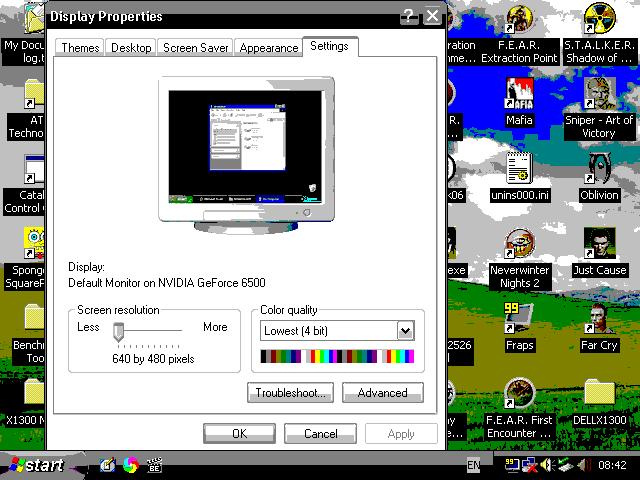
- Driver Version 6.14.11.9801 from May 29 2010. The later drivers that should support the card definitely do not.. unless you wanted 4bit colour:
Moto Racer 3 (2001)
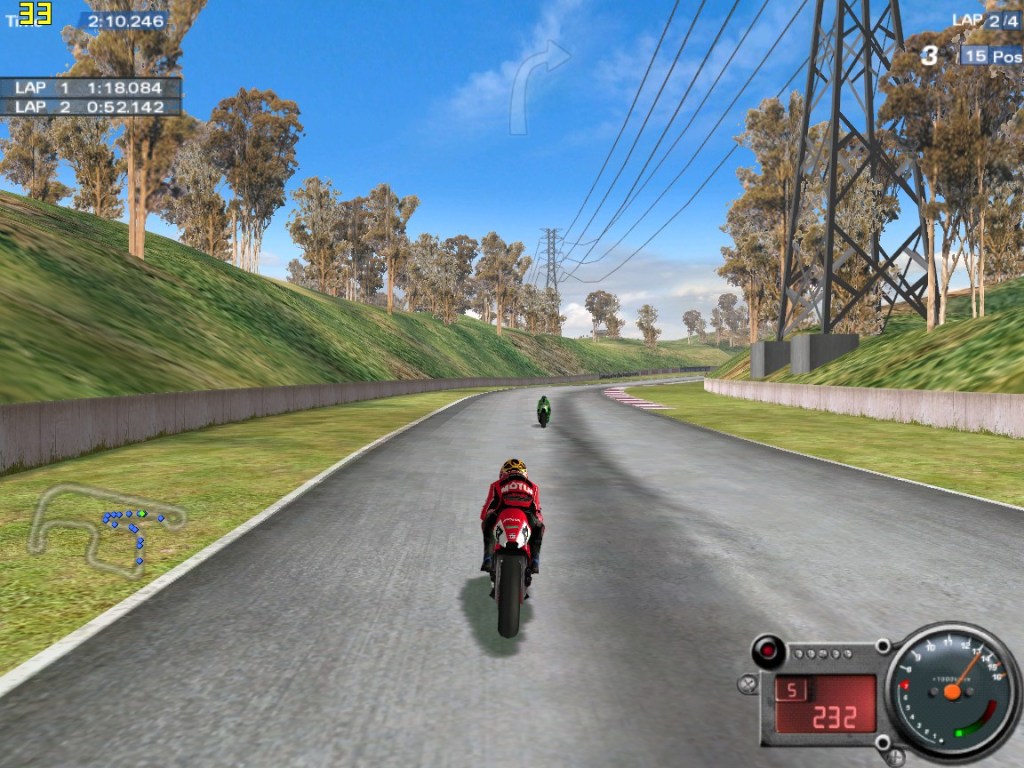
Whilst testing the two X1300 cards, the framerate for this game was pinned at 33fps by the system
The Average FPS for the GeForce 6500 was just under 20fps.. a sign of things to come.
Mafia (2002)
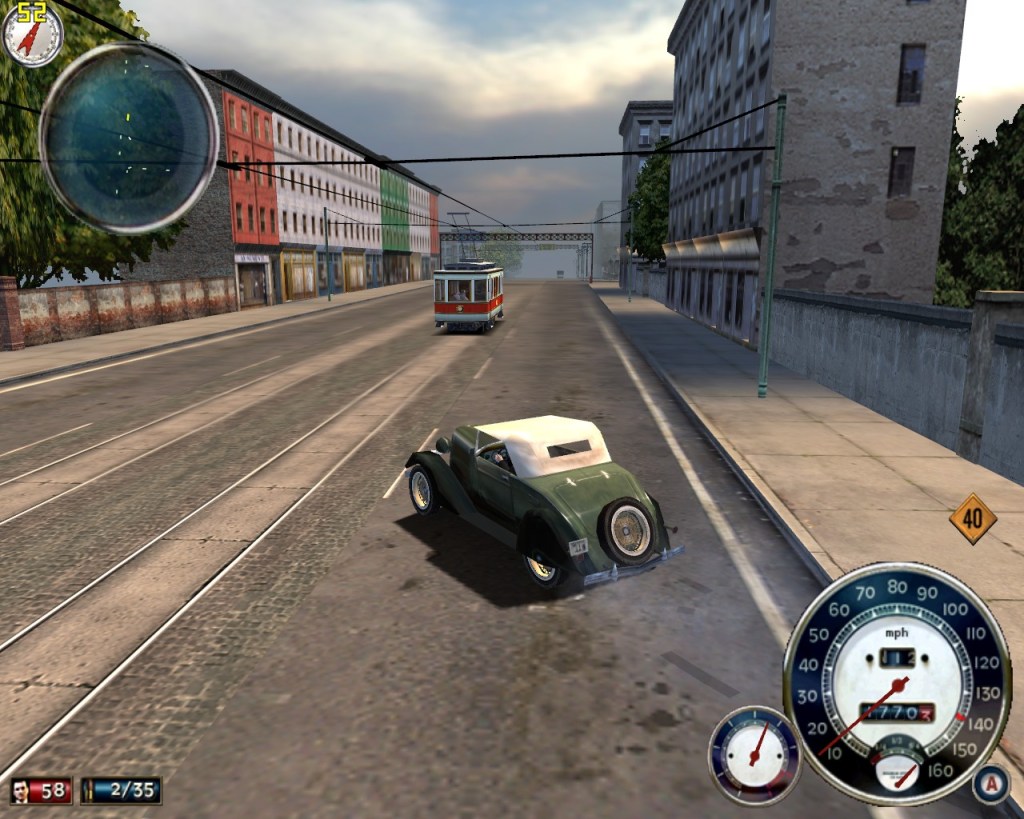
No troubling the in-game frame cap in Mafia, the game is not playable at these setting with this card averaging just 16 fps, such a decline in performance over the Ati low-end cards.

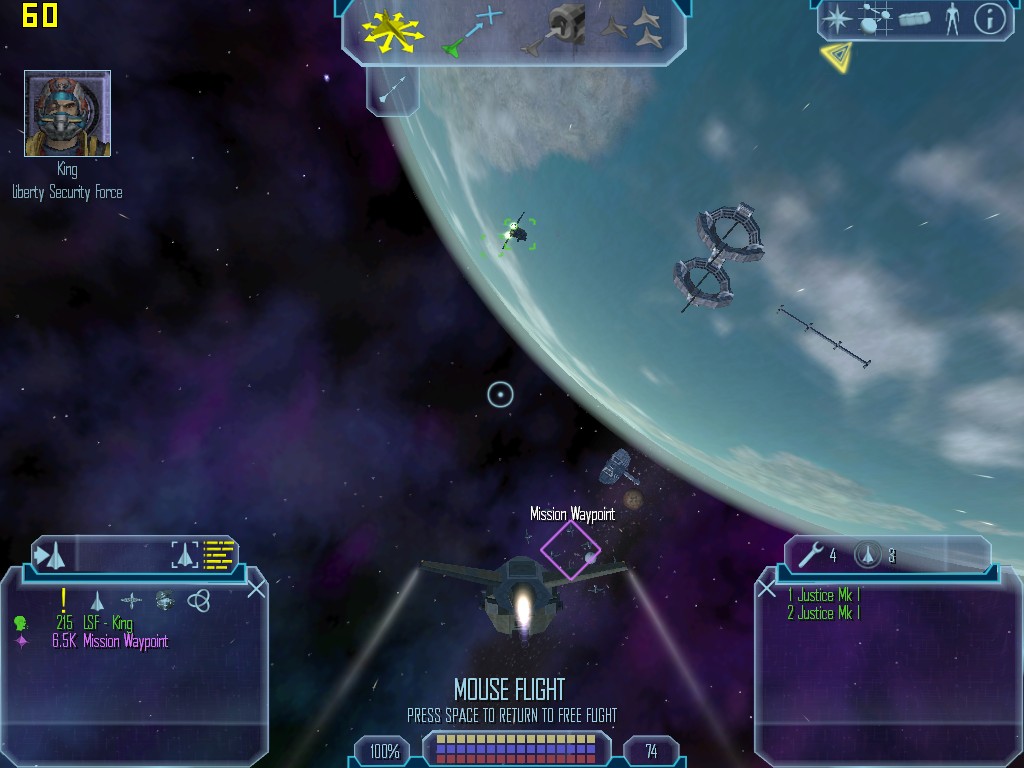
Freelancer (2003)

I suspect more of a compliment to the game engine used by Freelancer than the 6500 card in the system, the 60fps framerate was mainly met.. 59.222 was the average framerate with dips to 46 fps.
No complaints here.
FarCry (2004)
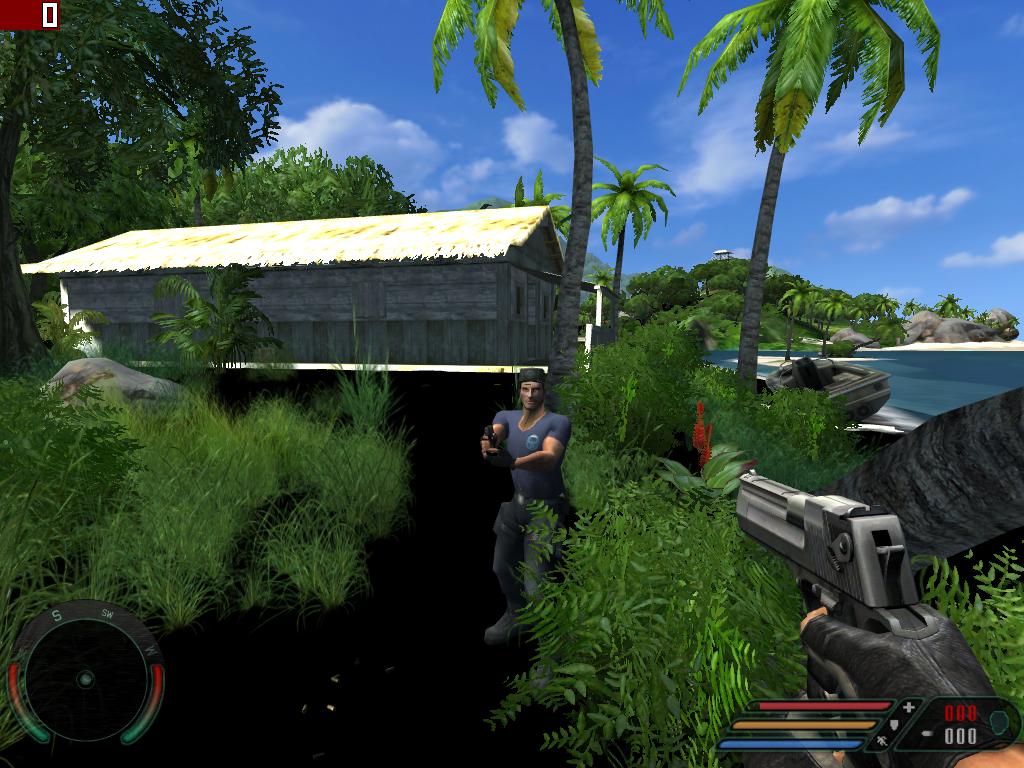
Not only did the framerate make this unplayable, the game missed out entire textures, a pretty poor showing


They do reappear when dropping down to Medium settings but, the X1300’s were running so well that I didn’t test at medium. oops.
Doom 3 (2004)
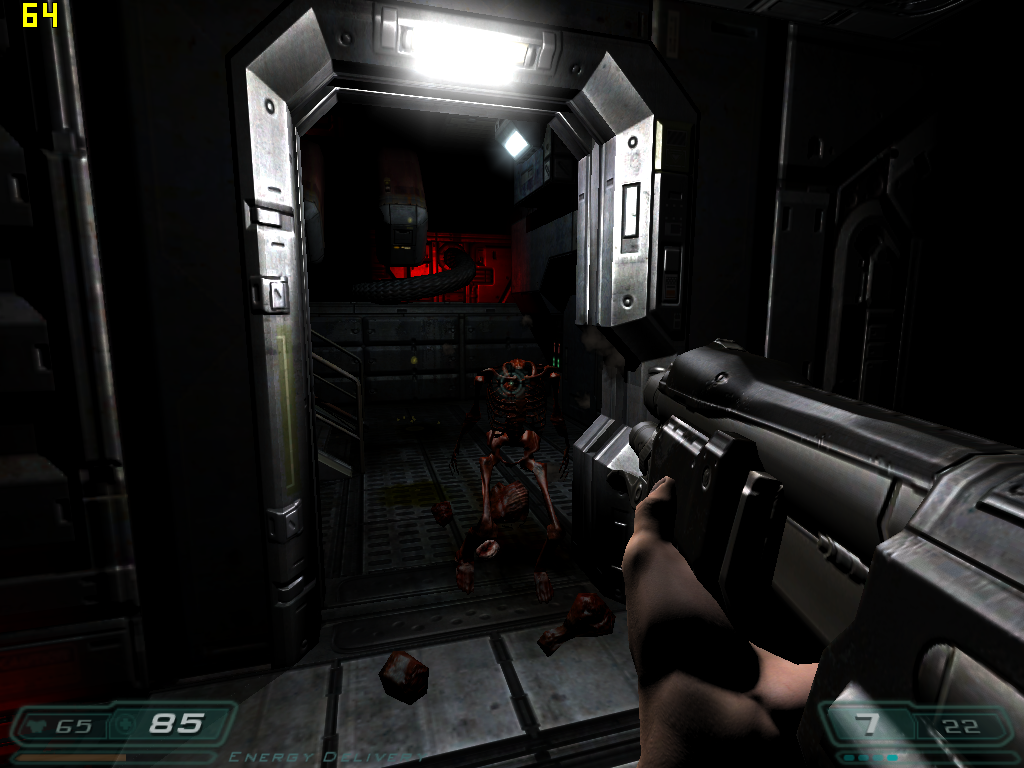
Using the in-game benchmark, the same settings used previous got us an average of 11 fps.


Need for Speed: Most Wanted (2005)
Across all resolutions, the 6500 performs poorly when compared to the ATi budget models:
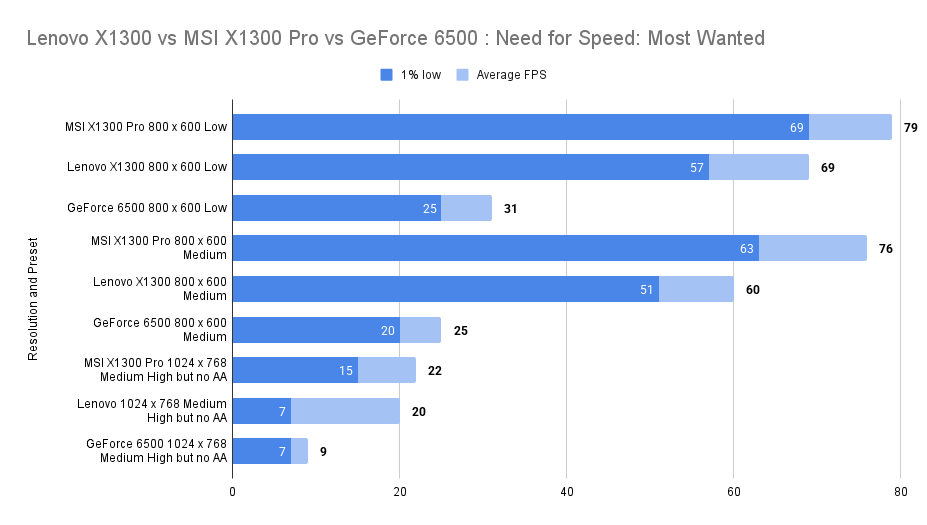
Even low settings at 800×600 do not allow the game to run smoothly.

Medieval II: Total War (2006)
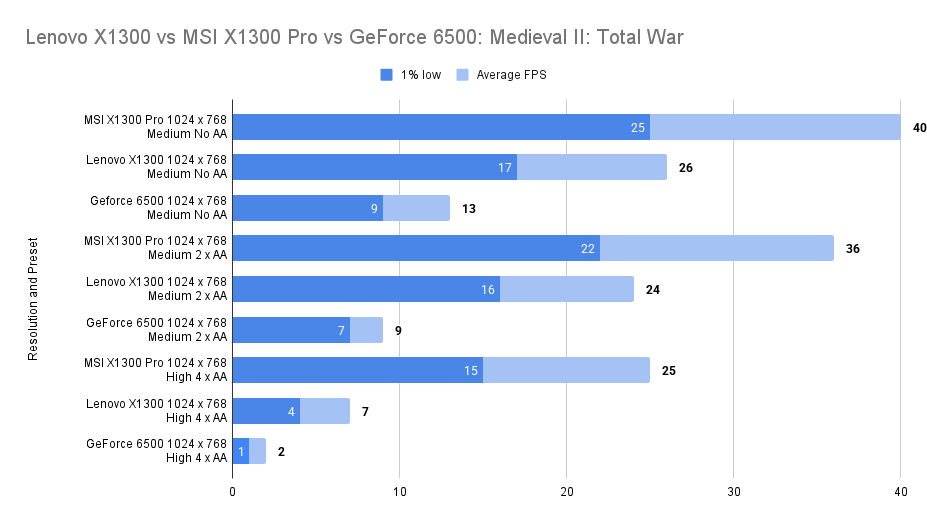
I’ve been testing this game using the Agincourt introduction, it was luck that no actual game play was needed as we were down at 13fps on medium settings. At High with Anti-Aliasing it took a good 15 mins for the slide-show to get to the battle.

FlatOut 2 (2006)

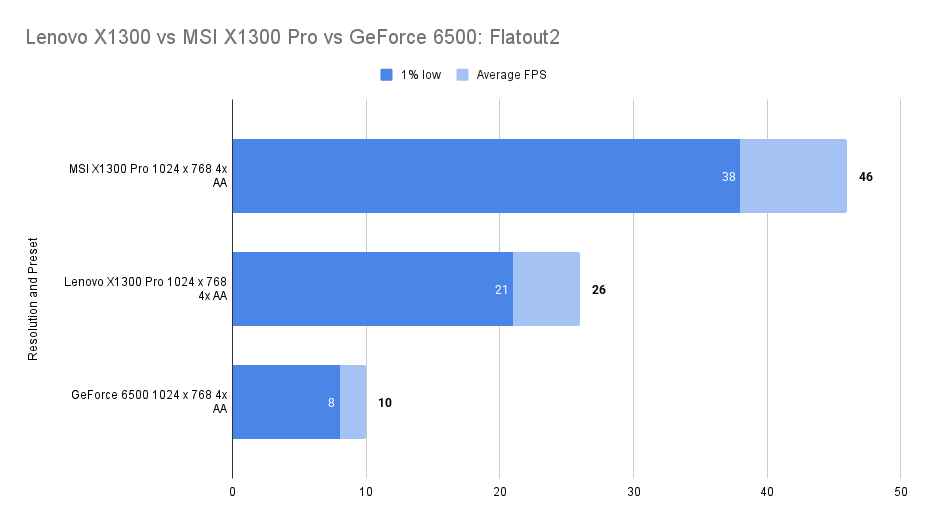
This one always ran and looked better than need for speed.. despite this, the 6500 still struggled to give a playable experience
The Elder Scrolls IV: Oblivion
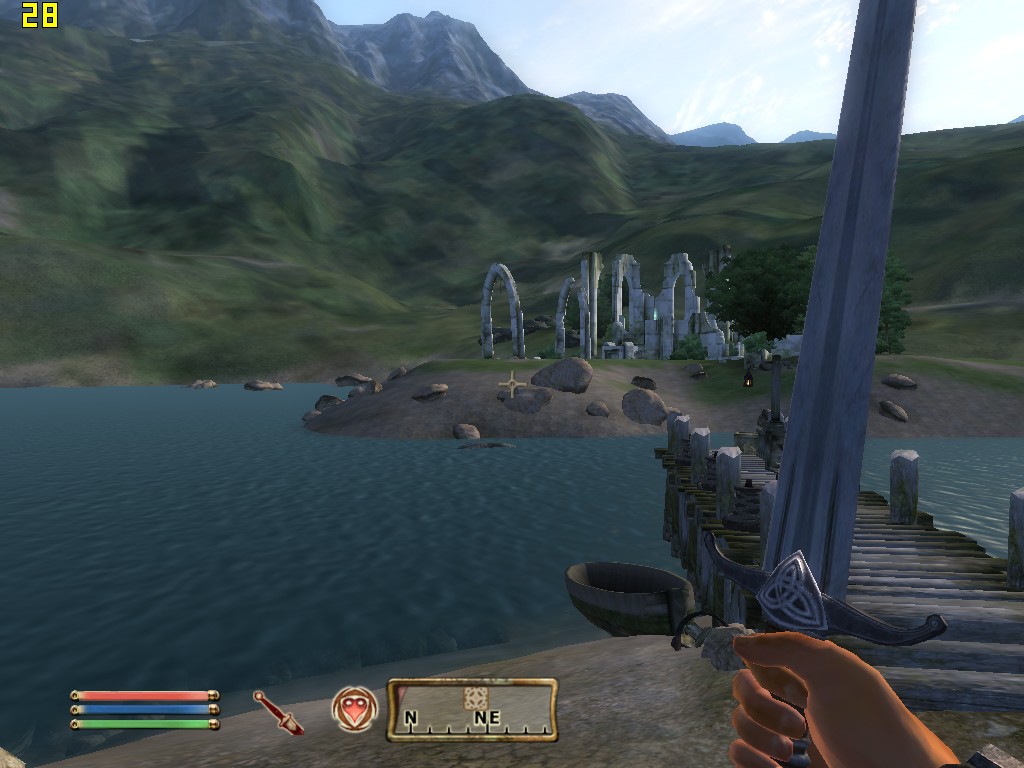
This was closer to the sort of comparison that I was expecting on all the other games, at least somewhat close to the Lenovo x1300.

There is probably a need to drop right down to 800 x 600 Low to get a somewhat playable experience on this Lenovo card.
Just Cause (2006)

Limited to 60fps which could be reached on medium settings so settings have been boosted here to get measurable results:

With a mix of Medium and High, the results were as follows:

Both of these cards would be able to play the game at lower resolutions and settings.
Crysis (2007)
Crysis is another game that is unplayable on the 6500, you could drop things down further to 640×480 and get some more frames, or you could just move on and play something else – I recommend the latter option.


Assassin’s Creed (2007)
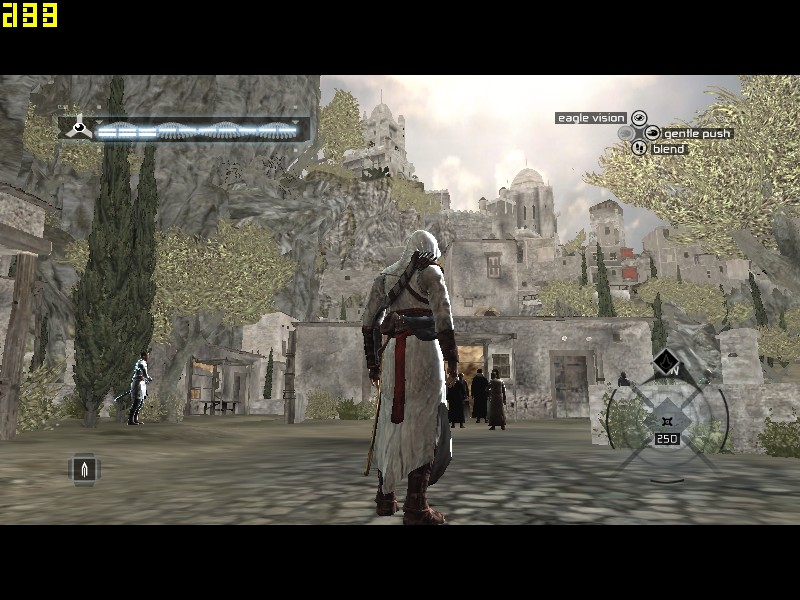
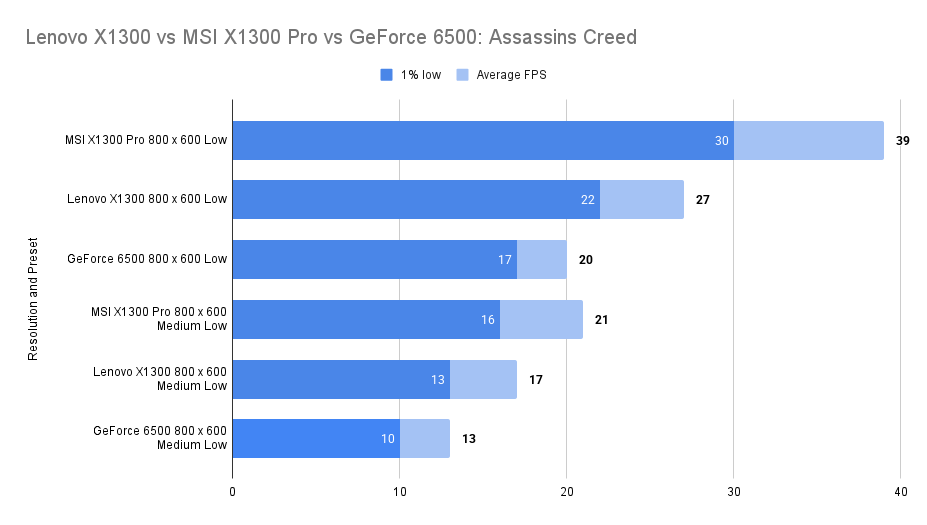
Back to where you would expect this to be, a little behind the X1300.
It seems unlikely that there will be a setting that the 6500 can play this game comfortably.
Synthetic Benchmarks
3d Mark 2001SE
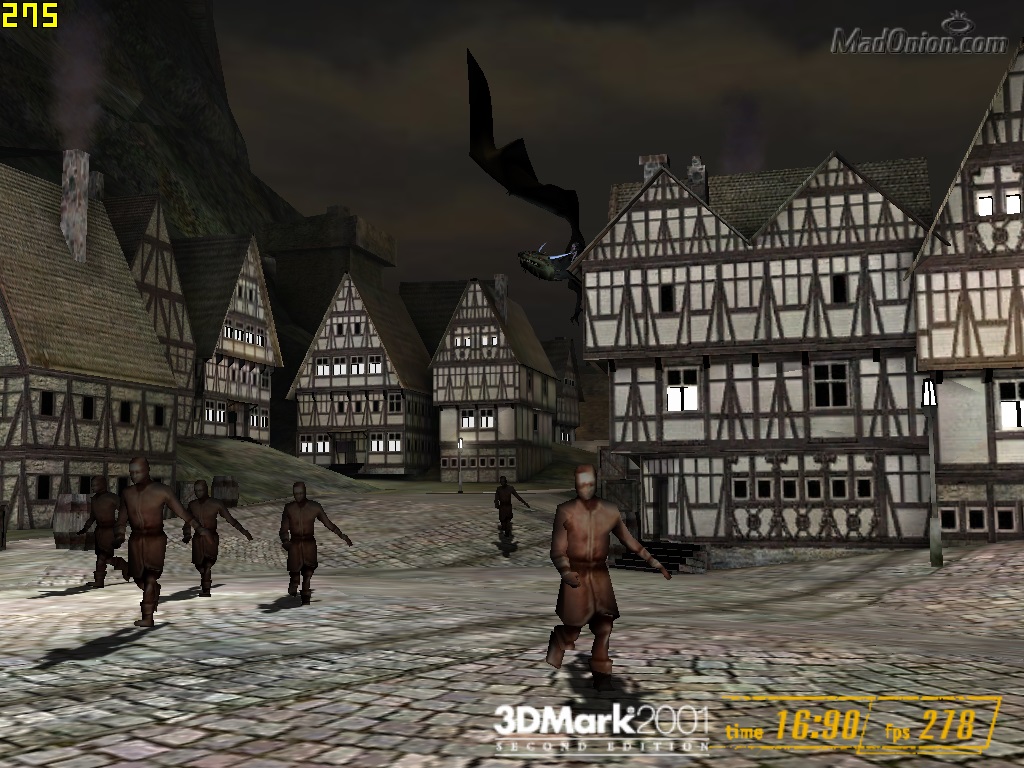
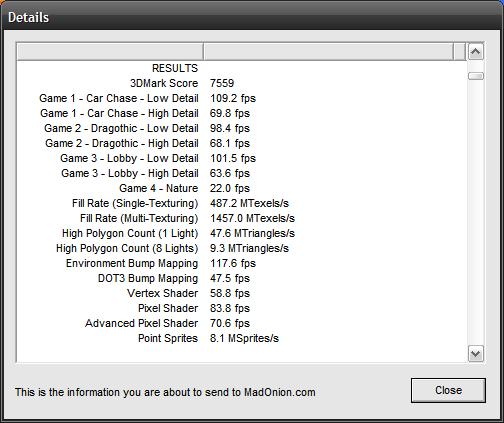
I didn’t record the detail for the Lenovo X1300 in 3dMark 2001 frustratingly but here are some numbers to show the 6500 being behind the Ati budget models.
| MSI X1300 Pro | Lenovo X1300 | GeForce 6500 | |
| 3d Marks | 19,417 | 11,013 | 7,559 |

3d Mark 2003


| MSI X1300 Pro | Lenovo X1300 | GeForce 6500 | |
| 3D Marks | 6,255 | 3,803 | 2,335 |
| Fill Rate (Single- Texturing) | 1,057.0 MTexels/s | 550.9 MTexels/s | 442.9 MTexels/s |
| Fill Rate (Multi- Texturing) | 2,237.3 MTexels/s | 1660.4 MTexels/s | 1,473.7 |
| Vertex Shader | 30.6 | 25.4 | 15.7 |
| Pixel Shader 2.0 | 35.7 | 22.3 | 19.3 |
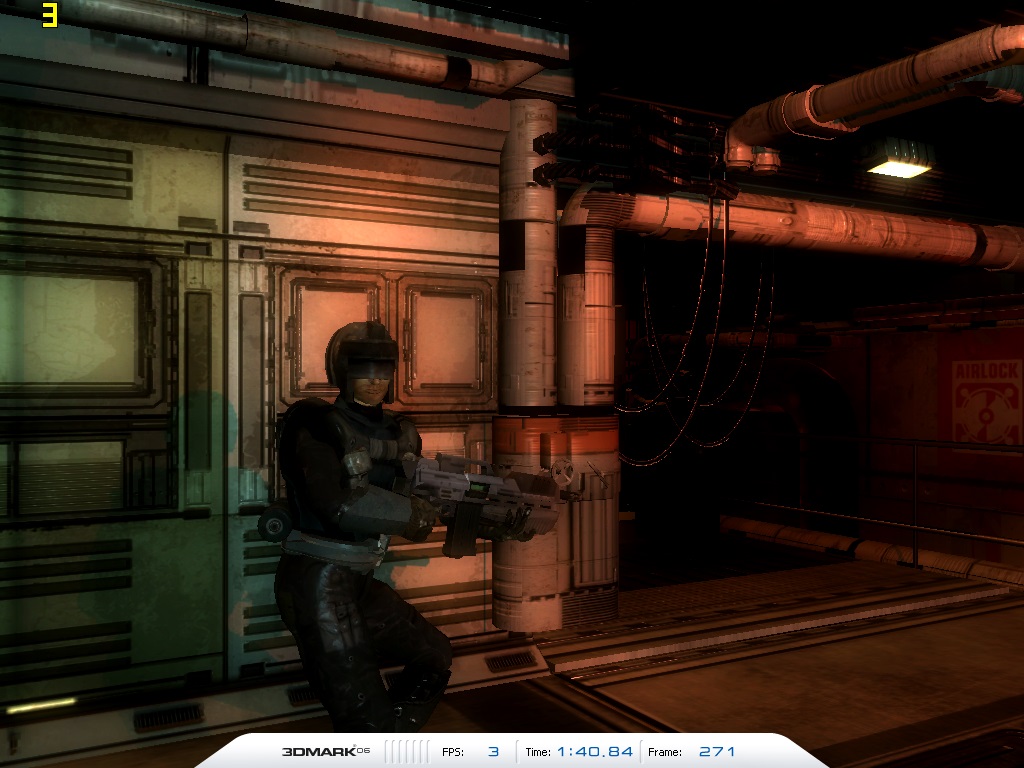
Pixel shader 2 performance is somewhat on par with the Lenovo X1300, everything else though is far below.
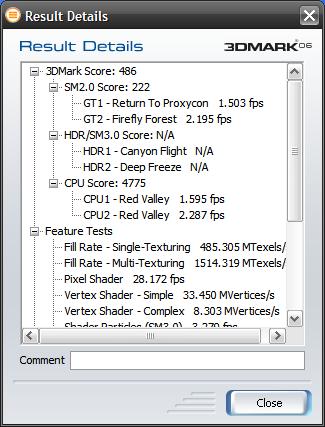
3d Mark 2006

| MSI X1300 Pro | Lenovo X1300 | GeForce 6500 | |
| 3D Marks | 1,909 | 1239 | 486 |
| Shader Model 2.0 Score | 635 | 402 | 222 |
| HDR/ Shader Model 3.0 | 695 | 454 | The option to run these tests was greyed out! |

Unigine Sanctuary
| MSI X1300 Pro | Lenovo X1300 | GeForce 6500 | |
| Score | 383 | 191 | 91 |
| FPS | 9.0 | 4.5 | 2.9 |

Overclocking?
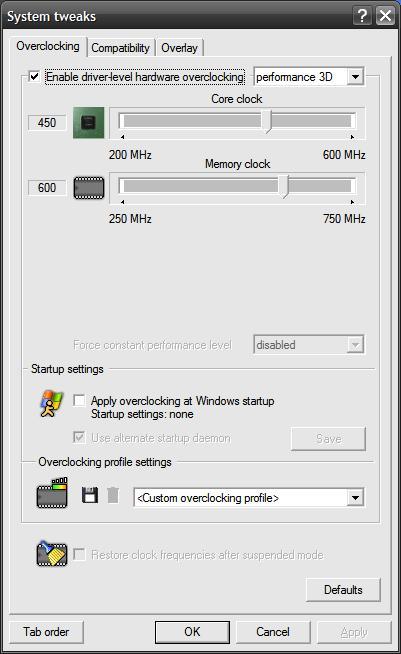
I’m not big into overclocking this old hardware but I thought I’d give the card one last chance to redeem itself.
| Lenovo X1300 | GeForce 6500 | GeForce 6500 Overclocked | |
| Memory Amount and Type | 256Mb DDR2 | 256Mb DDR2 | 256Mb DDR2 |
| Memory Bus Width | 64Bit | 64Bit | 64 Bit overclocked |
| GPU Clock | 452Mhz | 398Mhz | 450Mhz |
| Memory Clock | 392Mhz | 250Mhz | 300Mhz |
| ROPs/TMUs | 4/4 | 4/4 | 4/4 |
| Shaders | 4 Pixel / 2 Vertex | 4 Pixel / 3 Vertex | 4 Pixel / 3 Vertex |
| Pixel Fillrate | 1.8 Gpixel/s | 1.6 GPixel/s | 1.8 Gpixel/s |
| Vertex Fillrate | 1.8 Gpixel/s | 1.6 GPixel/s | 1.8 Gpixel/s |

I settled on a 450Mhz clock speed and 300Mhz (600Mhz effective) Memory speed and ran 3dMark 2003 without any issue with the following results.
| MSI X1300 Pro | Lenovo X1300 | GeForce 6500 | GeForce 6500 OC | |
| 3D Marks | 6,255 | 3,803 | 2,335 | 2763 |
| Fill Rate (Single- Texturing) | 1,057.0 MTexels/s | 550.9 MTexels/s | 442.9 MTexels/s | 540.8 M.Texels/s |
| Fill Rate (Multi- Texturing) | 2,237.3 MTexels/s | 1660.4 MTexels/s | 1,473.7 MTexels/s | 1684.8 MTexels/s |
| Vertex Shader | 30.6 | 25.4 | 15.7 | 16.7 |
| Pixel Shader 2.0 | 35.7 | 22.3 | 19.3 | 23.1 |
I did push the card harder to 500Mhz Core and 315Mhz Memory (630Mhz effective) which achieved a higher score of 2917 mhz but with some artifacting on the screen so I’m not counting that as a complete result.
A moderate improvement then with no immediate downside, temperatures remained at around 55 degrees centigrade. Despite near parity with the clocks speeds and fillrates though 3dMark 2003 still gives 1000 less 3d marks, which is odd.
Conclusions
Well, a very poor showing from the Green Team and I’m not quite sure what went wrong.
Although the 6500 was released in 2005, it is a 2004 NV44 processor so a year old at a time when technology was advancing rapidly but still.. the specs of the card are also down on the ATi cards but not significantly so.
It would be good to finally find an actual standard X1300 to compare things to. I do have an X300 from the previous generation which should perhaps be a better match-up.
It’s a shame that I can’t find the RRP of the 6500 when new, if it was a lot cheaper then perhaps it could be better judged.
I set the game benchmark resolutions and settings on the X1300 pro. thinking that all low-end cards of 2005 would be in the same ballpark, in reality this was wrong but I’d rather not retest the other cards at lower settings!
I will however use these game settings to move into the mid-range, let’s see if a Nvidia 6600 is the match of the mighty(!) X1300.
 Ash's Retro Hardware Reviews
Leave a comment