A Retrospective Review, Benchmarks and Memorial
- RRP: £100
- Release date: March 2006
- Purchased in December 2024
- Purchase Price: £9.00

Introduction – The GeForce 7000 Series
This is the intro to all GeForce 7000 cards
Released between 2005 and 2006, the GeForce 7000 series represented NVIDIA’s final push under the Curie architecture and served as a graceful swan song for AGP support, while laying groundwork for PCI Express dominance. The 7000 series spanned a wide range — from the ‘display adaptor’ 7100 GS to the best that was the dual-core 7950 GX2 (oh to afford one of those).
While visually similar to the previous GeForce 6 lineup, this generation brought architectural refinements and broader feature maturity, including:
- IntelliSample 4.0 for improved gamma-corrected anti-aliasing and transparency support
- TurboCache on budget cards like the 7300 GS to borrow system RAM as cost-effective VRAM
- PureVideo enhancements for smoother MPEG decode with VP2 support on select models
- Expanded SLI support for multi-GPU setups in the high end
One of the most iconic entries was the 7800 AGP versions, a rare, high-performance card that gave aging systems a final breath of life — probably all dead now due to insufficient cooling on the bridge chips.
The series even reached beyond PC gaming: a modified 7800 GTX core formed the heart of Sony’s PlayStation 3.
Here are some model names and codenames, it seems simple but I’m sure there are OEM cards that will mess with each of these tiers.
| Model Tier | GPU Codename | Process Node |
| 7100GS | NV44 | 110nm |
| 7200 GS / 7300 LE, SE, GS | G72 | 90nm |
| 7500LE (OEM only) | G72 | 90nm |
| 7300GT 7600 GT/GS | G73 | 80nm / 90nm |
| 7650 GS (OEM only) | unknown | 80nm |
| 7800 GTX / GS | G70 | 110nm |
| 7900 GS / GTX / GT / GTO | G71 | 90nm |
| 7950 GT | G71 | 90nm |
| 7950 GX2 | Dual G71 | 90nm |
Architectural Contrast: GeForce 6 vs GeForce
The 7000 series, based on the G7x family, didn’t reinvent the wheel but refined it. NVIDIA moved to a 90 nm process for most chips, allowing higher clock speeds and lower power draw. The G71 core, for example, was a more efficient shrink of the G70, delivering similar or better performance with reduced heat output. This made cards like the 7900 GT and GTX more viable for compact or quieter builds.
Feature-wise, the 7000 series improved anti-aliasing with IntelliSample 4.0, added better transparency rendering, and enhanced video playback through PureVideo VP2. SLI support became more robust, and AGP compatibility was extended via bridge chips — a nod to users still clinging to older platforms.
In short, the 7000 series was a polish pass on the 6000 series: same core ideas, but better execution. It offered smoother performance, more efficient dies, and broader compatibility — especially for those navigating the AGP-to-PCIe transition.
Some differences highlighted here:
| Feature Area | GeForce 6 Series (NV4x) | GeForce 7 Series (G7x) |
| Shader Model | 3.0 | 3.0 with optimized pipeline |
| Anti-Aliasing | IntelliSample 3.0 | IntelliSample 4.0 with better gamma correction |
| Video Acceleration | PureVideo VP1 | PureVideo VP2 with refined decoding |
| Fabrication Process | 130 nm → 110 nm | 110 nm → 90 nm |
| Performance per Watt | Moderate | Improved via G71 shrink |
| SLI Support | Introduced | Matured and expanded |
The Card – Palit GeForce 7600GS 256Mb
The second GeForce 7000 series card I’ve had on the bench, and this one has far more potential to impress than the ultra-budget 7300LE I tested earlier.
This particular model comes from Palit, a major Taiwanese manufacturer of NVIDIA-based GPUs, who are still active today.
The 7600 GS sits below the 7600 GT in the lineup, with slower core and memory clocks that reportedly result in around 40% less performance compared to its GT sibling.
The card a step lower in the stack is the 7300 GT which also shares the G73 silicon (unlike the other 7300 cards). The 7300GT has lower clocks and fewer shaders but is reportedly a solid performer in the budget tier cards.
I picked up this Palit 7600 GS for just £9 delivered, which feels like an absolute steal. If only I could find another at that price for some SLI action.
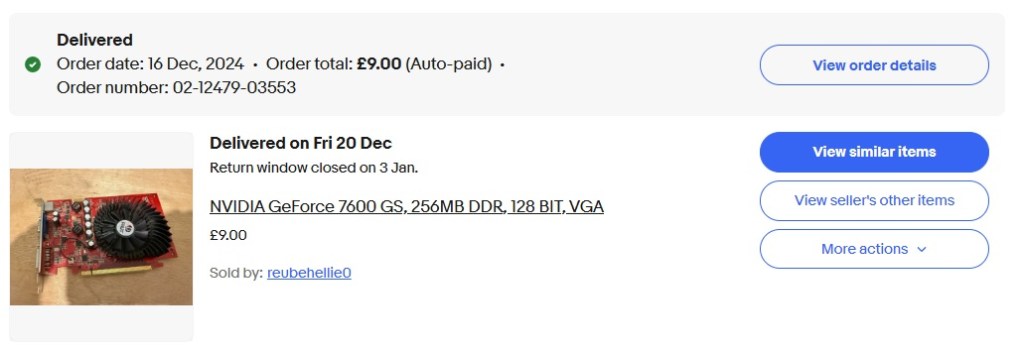
None of the cards tested so far are true competitors to the 7600 GS. This is the first mid-range GPU I’ve put through its paces that lacks the more modern unified shaders.
I do have two X1650 cards from ATI lined up next for comparison, so I’ll likely update this article once they’ve had their turn on the test bench.
These are all living articles which will be tended to when more meaningful results come in.

A comparison table below to show our 7600GS against the mid-tier, mid-2000s cards tested before.
| Palit GeForce 7600GS | Nvidia GeForce 8600GT | Sapphire HD2600XT | |
| Memory Amount and Type | 256Mb DDR | 256Mb GDDR3 | 256Mb DDR2 |
| Memory Bus Width | 128Bit | 128 Bit | 128 Bit |
| GPU Clock | 400Mhz | 540Mhz | 800Mhz |
| Memory Clock | 350Mhz | 700Mhz | 700Mhz |
| ROPs/TMUs | 8 / 12 | 8/16 | 4/8 |
| Shaders | 12 Pixel / 5 Vertex | 32 Unified Shaders | 120 Unified Shaders |
| Pixel Fillrate | 3.2 GPixel/s | 4.3 GPixel/s | 3.2 Gpixel/s |
| Texture Fillrate | 4.8 GTexel/s | 8.6 GTexel/s | 6.4 GTexel/s |
| Release date | March 2006 | April 2007 | June 2007 |
You don’t have to look far down the spec sheet to spot the potential bottleneck on this Palit 7600 GS—the 350 MHz DDR RAM is far from ideal.
According to Wikipedia, these cards typically came with either DDR2 or GDDR3, while standard DDR was reserved for the very lowest-end GeForce 7000 models. That makes this configuration feel a bit underwhelming for a card that’s supposed to sit comfortably in the mid-range.
Still, there’s a decent shader count here: 12 pixel and 5 vertex shaders, which matches the expected spec (again, per Wikipedia).
So let’s say you were a 7600 GS owner and had been using it for a year—would it be worth upgrading to an 8600 GT, or maybe holding out to see what the HD 2600 XT brings to the table?
Time to find out with some benchmarks. I’ll include comparisons to later cards where possible, and throw in a few newer games for good measure.
Where framerates dip into the unplayable zone, I’ll dial down the settings until things smooth out.
The Test System
Details are as follows:
- CPU: AMD Phenom II X4 955 3.2Ghz Black edition
- 8Gb of 1866Mhz DDR3 Memory (showing as 3.25Gb on 32bit Windows XP and 1600Mhz limited by the platform)
- Windows XP (build 2600, Service Pack 3)
- Kingston SATA 240Gb SSD
- ASRock 960GM-GS3 FX
- Driver Version 6.14.11.7516 from May 2008 (Forceware 175.16)
Gaming Benchmarks
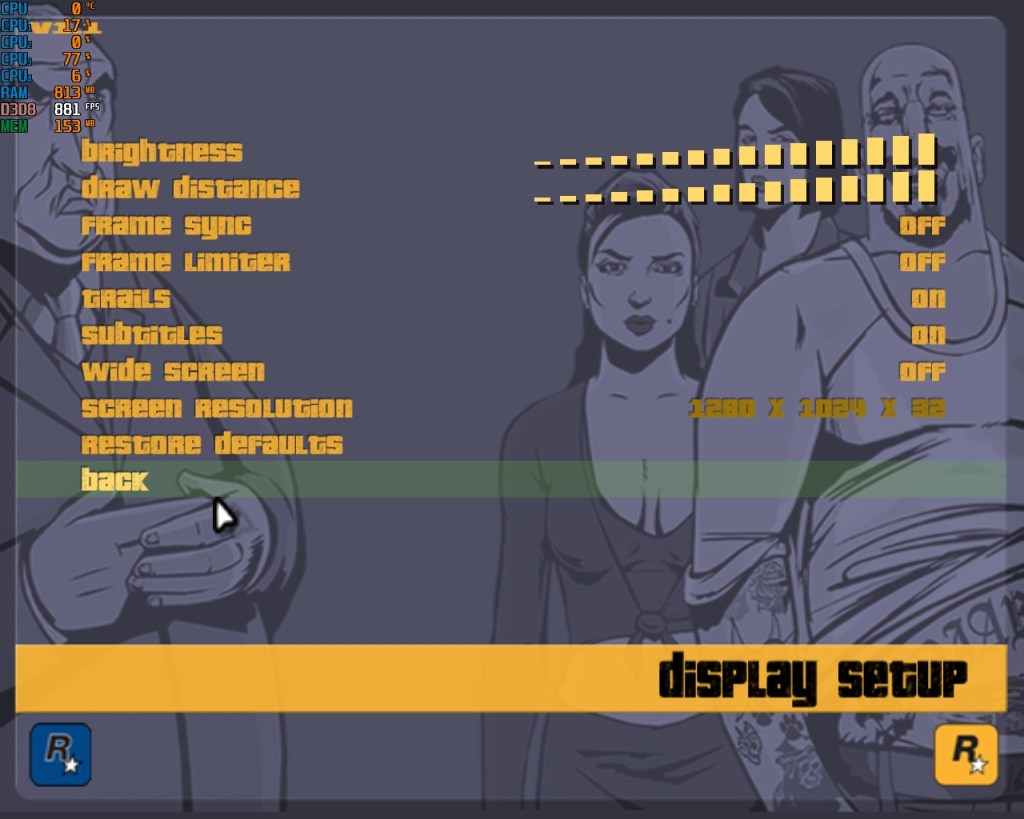
GTA III (2002)

An easy first game for the 7600GS and no disappointment.

Smooth and easy gameplay hitting the refresh rate of the monitor, this with everything on maximum.. very nice.
This and some of the other games have not been tested on the other systems.
Unreal Tournament 2003
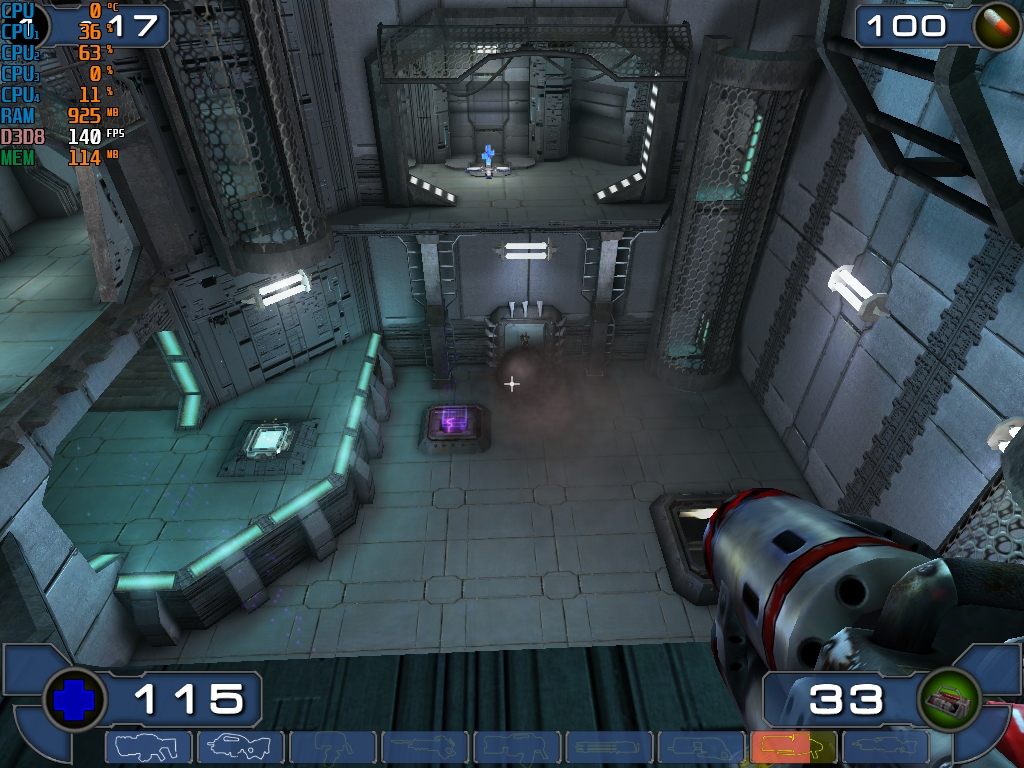
Smooth going when it worked.. but definite issues. A change of resolution causes a crash to desktop and the below error message.
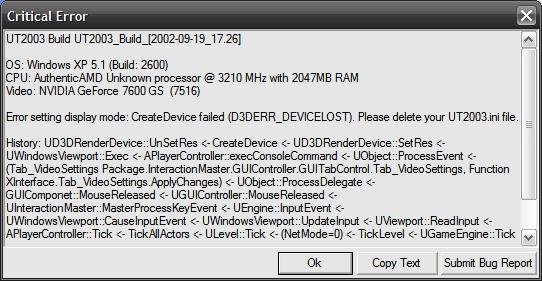
So, stuck at 1024 x 768 which isn’t the end of the world, a bit annoying though.
the game does come with an internal benchmark which would run at different resolutions with the below results:

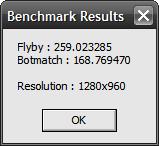
I also played through a match against bots at a nice high framerate.
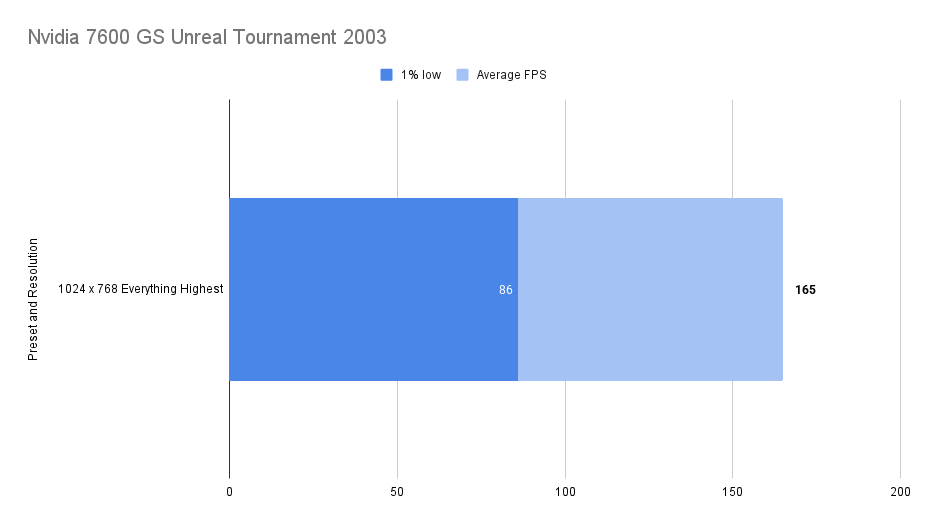
Nothing to compare the results to but I will update these charts.
FarCry (2004)
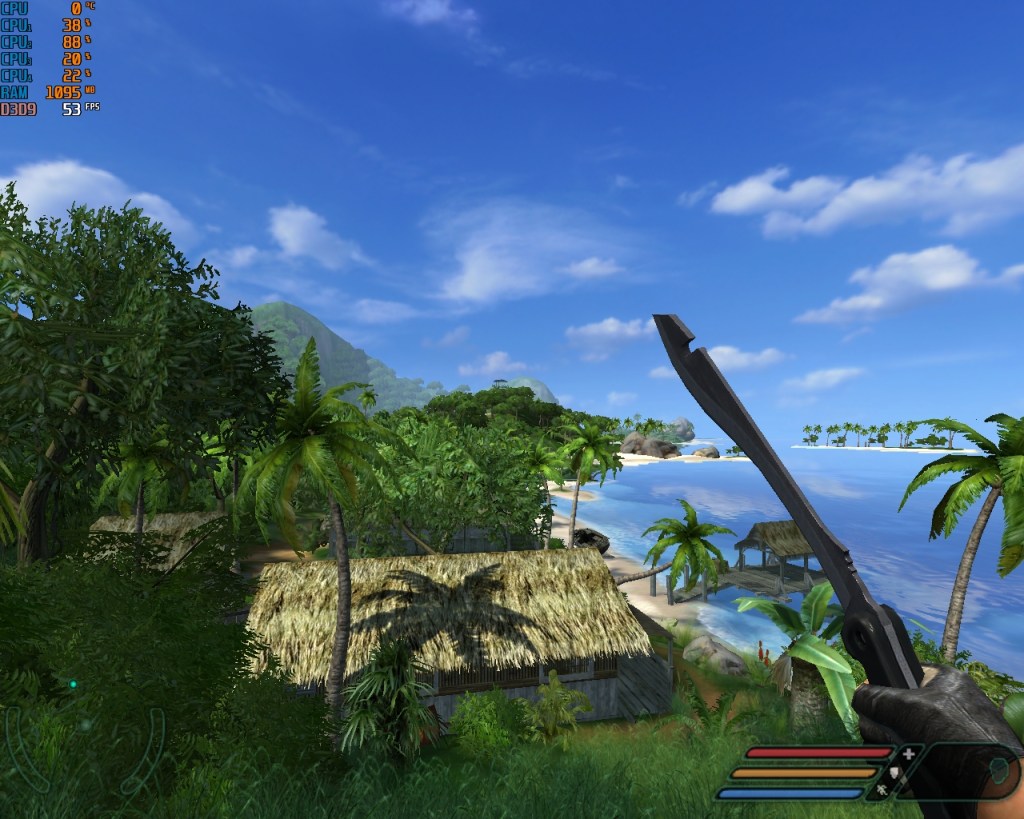
The First of the DirectX 9 Games, let’s see how the 7600GS does.

Not bad at all at 800 x 600 with V. High Settings, not too far distant from the newer cards and their unified shaders.
It would be good to see how the GS would do with faster RAM, perhaps one-day we’ll find out.
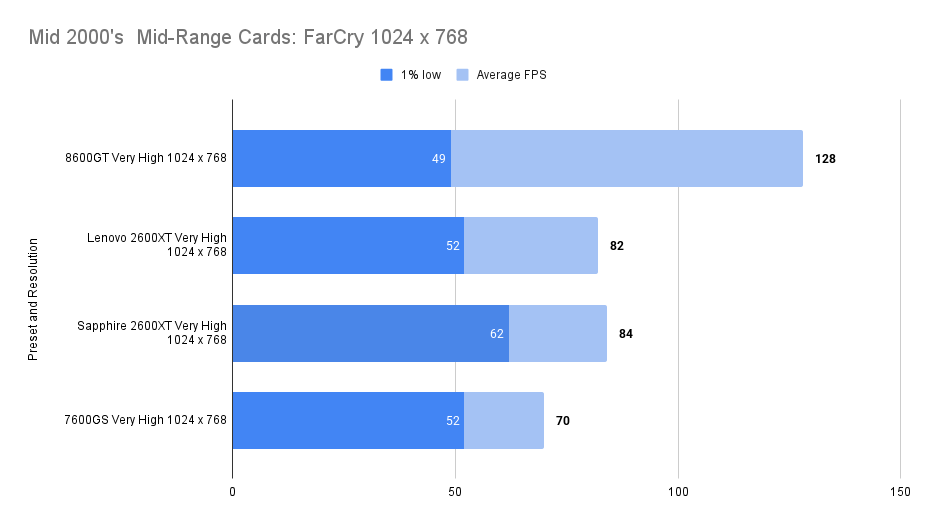
At 1024 x 768 things are evened up further, the 1% low figures on the 7600GS is actually greater than the 8600GT although average framerate is well out of reach.
Pretty good again

At 1280 x 1024 with very high settings the 7600GS is very much mixing with the much newer 2600XTs. Impressive stuff.
Need for Speed: Most Wanted (2005)
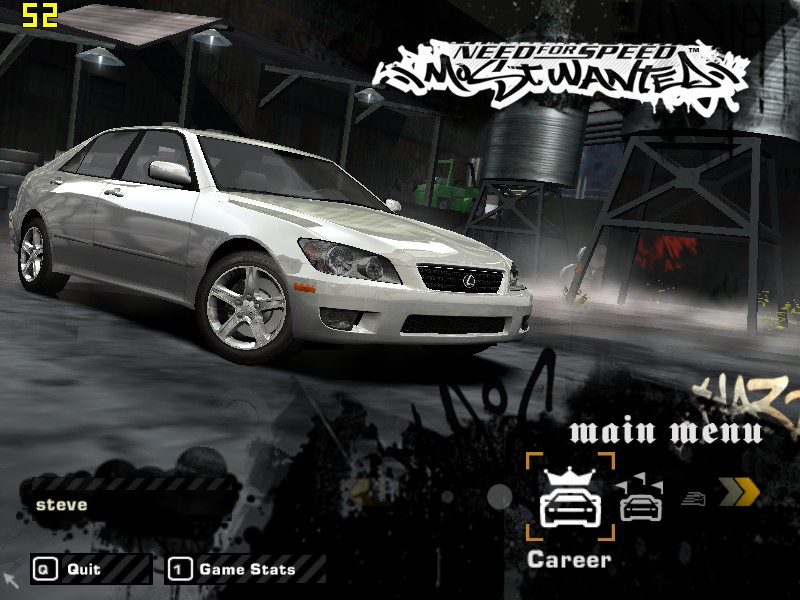
So I tested this game on medium settings at 1024 x 768 and was having a good time, so much so that I put things up to High and even allowed some Anti Aliasing (which this game really needs).

Sadly these resolutions did not match what the newer cards were tested at.. I would usually have gone back and retested at the correct resolution for a comparison but this was not possible (find out why a little bit further on).
Medieval Total War II (2006)
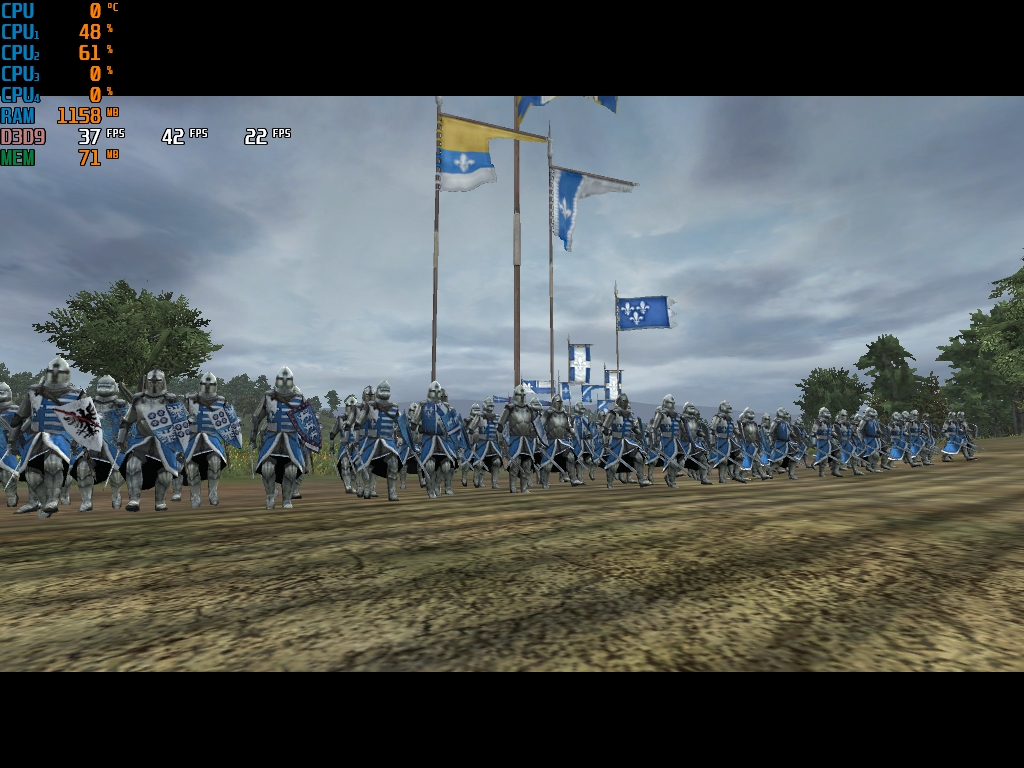
What a game this was when it was released, I’m still waiting for Medieval III, just the same but with modern graphics would do it.
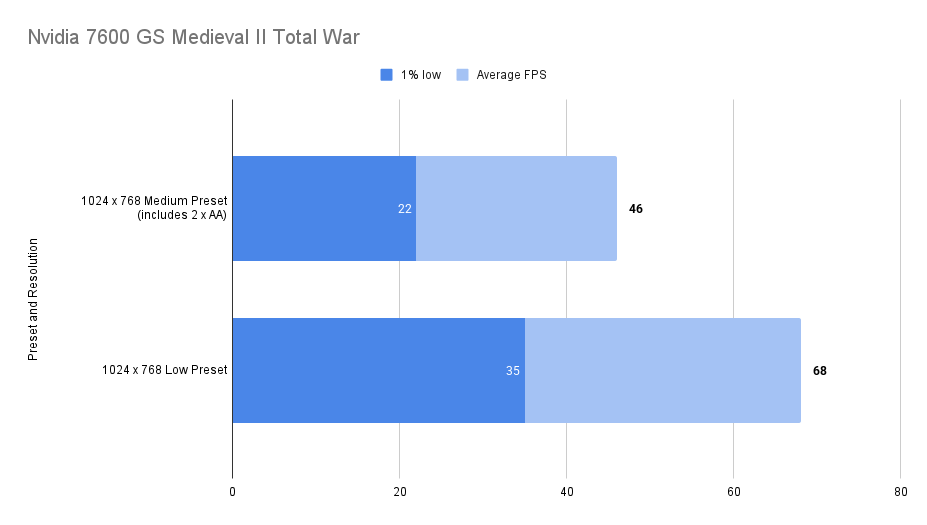
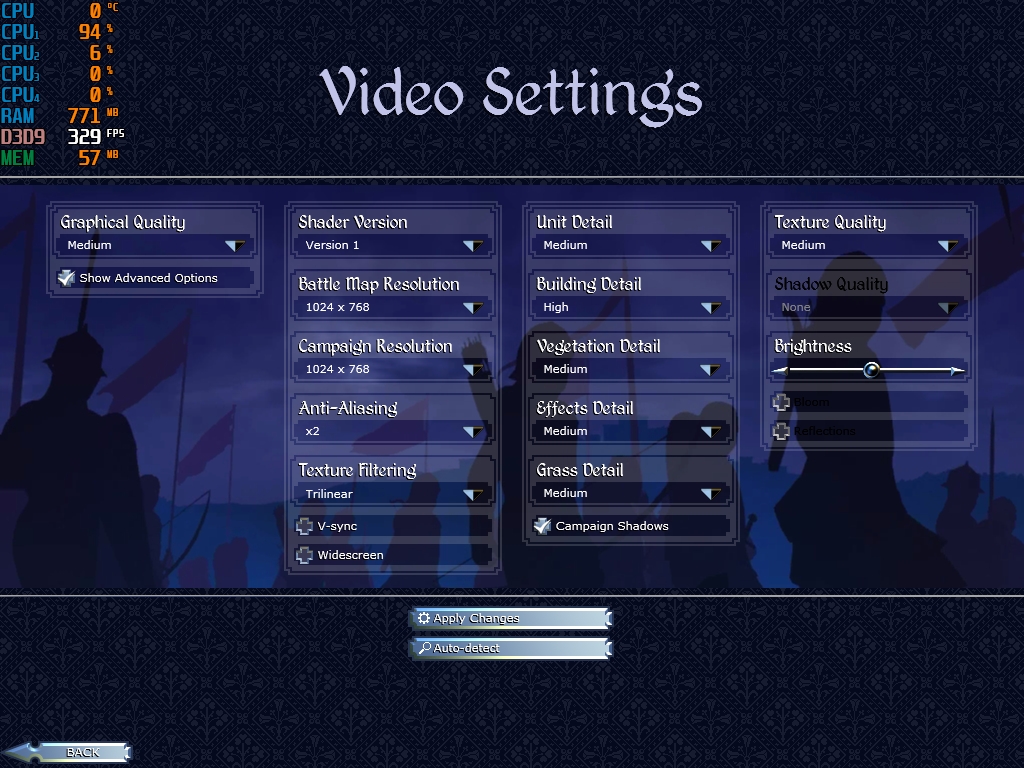
Still it’s a timeless classic and if you have a 7600GS you can enjoy it without any problem at Low or Medium Preset.
The benchmark run is just the intro for the Agincourt historical battle, it seems to use the in-game engine to generate the battle and it’s at least completely fair – trying to repeat a benchmark run in this is unlikely to be easily done.

Benchmark: Oblivion 2006
Back to Oblivion, always a struggle to run on all but the best hardware at the time.
The 7600GS gave a reasonable showing at 800 x 600 with an average framerate up there with the more modern cards at Medium Settings.
It did struggle at Ultra High settings though and in both cases the 1% Low figure was very low.

It’s easy to imagine that the slow VRAM is the issue here more than anything else.
Medium settings are not particularly good to look at in this game as the low draw distance leads to jarring ‘pop-in’ as trees appear out of nowhere.

A game to play on more modern hardware.
Test Drive Unlimited (2007)
I never played this back in the day, I’m not sure why it didn’t come up.
It seems good fun though but a big tough for the GPU. In retrospect I should have tested a low setting but to be honest, the game seemed smoother than the results suggest.

Perhaps because the frametimes were so consistent.
Anti Aliasing does help with the visuals and doesn’t seem to harm the framerate overly much.
This was another game where I ran into some minor issues, I couldn’t quit from the menu, even Alt-F4 failed so the only way out of the game was ending the task in task manager.
Strange but, as errors go..


Benchmark : Crysis (2007)
Crysis then, how does the 7600GS fare? Not amazingly well as it turns out:
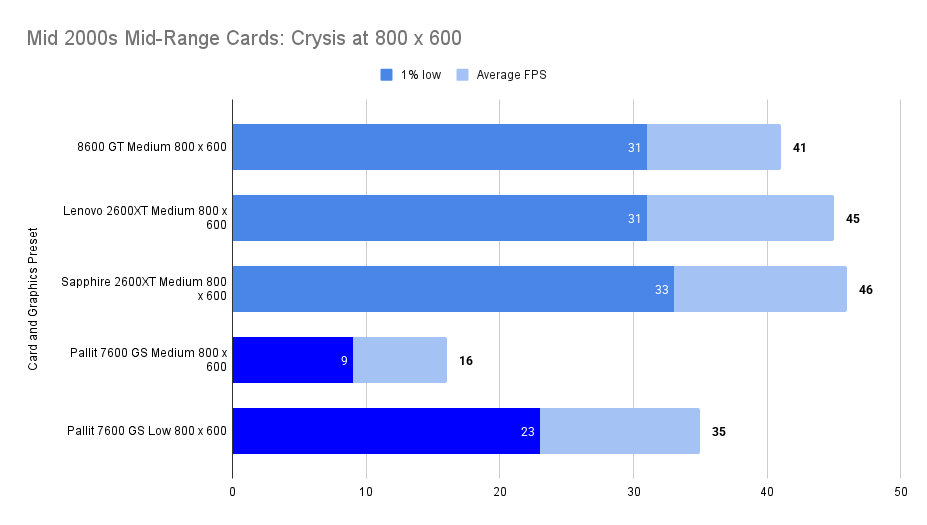
At the medium preset the card falls well behind it successors, perhaps the game is optimised for unified shaders, perhaps the slow RAM on this Pallit card is the cause of the poor showing.
Likely both have a part in it.
You can knock things down to the low preset and get a semi-playable experience still so not a complete disaster.
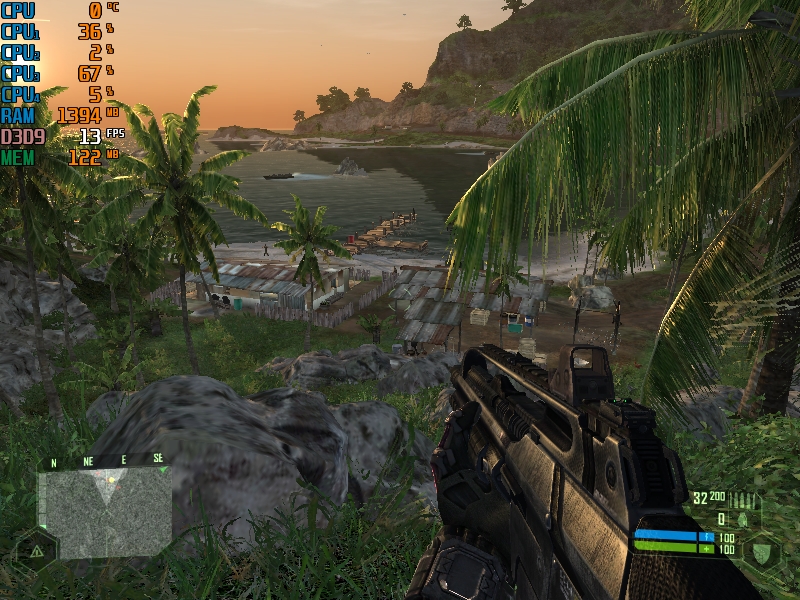
No more benchmarks – the death of my 7600GS (and a note on driver issues)
I was playing some Battlefield 2 against bots with Afterburner running when the Palit card gave out. No warning — the screen just shut off abruptly and refused to come back on.
I tried the usual fixes: reseating the card, switching to VGA output. There was no smell of burning, no signs of excessive heat, and I wasn’t overclocking (I was saving that for later). I tested it in another system — still no output. Swapped in a different card into the test system and everything worked fine
I took the Palit apart and inspected the GPU and there was no visible damage. The BIOS gave no beep codes, and the fan spun up like all was well. A bit of a mystery, and frustrating too, I was 90% through testing and enjoying some gameplay when it all came to a halt.
Thankfully, I’d already completed most of the synthetic benchmarks, so the article is mostly intact. No Doom 3 though, a personal favorite for benchmarking. Battlefield 2 was running well, and I was collecting solid data. I had plans for some Dawn of War too… but that’s how it goes.
Usually, the write up of the article gives me a chance to retest odd results or revisit missed resolutions and settings but that wasn’t possible this time, the card was dead, so anything unusual had to be scrapped as unreliable and missed settings for comparison now remain missed.
This was not possible due to the aforementioned dead video card so anything out of the ordinary I was forced to delete.
While it was alive, the card did show a few quirks in the game benchmarks. Nothing serious enough to warrant rolling back drivers, but noticeable nonetheless.
It’s now up in video card heaven, joining the RX 480 my wife accidentally watered through the mesh top of my son’s PC on the same day.
Previous to this cards arrival, the passively cooled 7300 GT I’d ordered was also dead, spewing massive artifacts across the screen.
I fear the G73 just doesn’t like me.
Synthetic Benchmarks
3d Mark 2001SE
I’m afraid to say that I did not run this benchmark in time before the card died.
It’s such a shame, it would have been the cards opportunity to maybe compete with it’s younger cousins.
3d Mark 2003
3DMark 2003 marked a major leap in synthetic benchmarking, introducing full support for DirectX 9.0a and a new generation of shader-heavy test scenes. With cinematic sequences like Wings of Fury, Battle of Proxycon, Troll’s Lair, and Mother Nature, it pushed GPU pixel and vertex shader capabilities far beyond the fixed-function pipeline era.
Unlike its predecessor, 3DMark 2003 places greater emphasis on GPU architecture and shader throughput, with CPU tests included for the first time. The scoring system reflects this shift, favoring cards that excel in programmable pipelines and multitexturing performance.
GPUs such as the Radeon 9800 Pro and GeForce FX 5900 Ultra were designed with these workloads in mind, delivering high scores thanks to robust DX9 feature support and ample memory bandwidth.


DMark 2003 begins to expose the 7600 GS’s memory limitations more than its predecessor, but not brutally so. The 128-bit bus still holds up decently, and the GPU’s core architecture is well-suited to the DirectX 9-lite workloads this benchmark throws at it. However, DDR1 starts to show its age — especially in the more shader-intensive tests like “Mother Nature,” where bandwidth and capacity matter more
| Nvidia 8600GT | Lenovo HD2600XT | Sapphire HD2600XT | Pallit 7600GS | |
| 3D Marks | 16848 | 13093 | 12896 | 9067 |
| Fill Rate (Single- Texturing) | 2125.4 MTexels/s | 2026.30 MTexels/s | 1997.20 MTexels/s | 1320.6 MTexels/s |
| Fill Rate (Multi- Texturing) | 7752.20 MTexels/s | 5251.50 MTexels/s | 5251.50 MTexels/s | 4484.5 MTexels/s |
| Vertex Shader | 55.1 | 87 | 90 | 30.8 |
| Pixel Shader 2.0 | 220.1 | 123.0 | 112.10 | 89.1 |
This does start to demonstrate the improvement between the 7000 series and 8000 series as the 8600GT is a beast.
I know, I know GDDR3 vs DDR1 but still.

3d Mark 2006
3DMark 2006 builds on its predecessors with a more demanding suite of tests that reflect the evolving complexity of DirectX 9.0c-era games. Featuring scenes like Return to Proxycon, Firefly Forest, Canyon Flight, and Deep Freeze, it introduces Shader Model 3.0, HDR rendering, and more intricate lighting and geometry workloads. For the first time, CPU performance is factored into the overall score, acknowledging the growing role of physics and AI in modern gaming.
The benchmark outputs three sub-scores—SM2.0, HDR/SM3.0, and CPU—alongside a unified total. GPUs with robust shader pipelines and support for FP16 textures and blending tend to excel, while older cards may struggle to complete all tests.

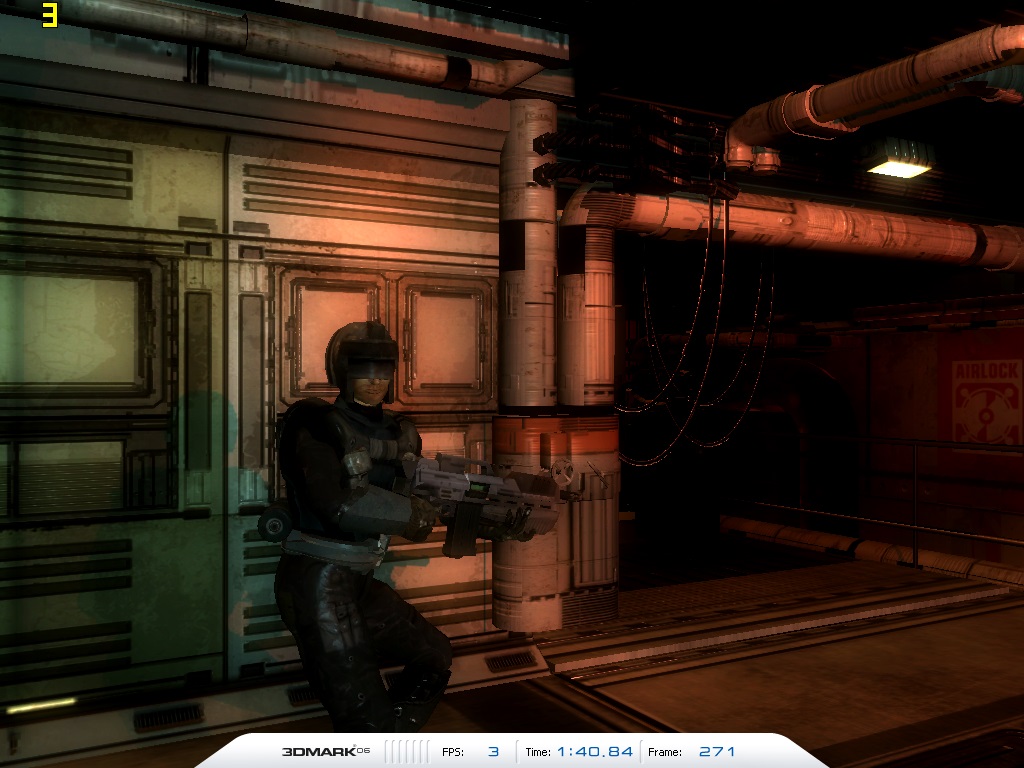
| GeForce 8600GT | Lenovo HD2600XT | Sapphire HD2600XT | Pallit 7600GS | |
| 3D Marks | 7261 | 5908 | 6072 | 2914 |
| Shader Model 2.0 Score | 2733 | 1850 | 1831 | 1063 |
| HDR/ Shader Model 3.0 | 2685 | 2531 | 2635 | 993 |
In 3DMark 2006, the GeForce 7600 GS with its 256MB of DDR1 and a 128-bit bus, specs that were passable in the DX9.0c era but start to buckle under the weight of SM3.0 and HDR-heavy scenes.
Against the HD 2600 XT and GeForce 8600 GT, both also sporting 256MB but backed by faster memory and more advanced shader pipelines, the GS definitely shows it’s age.
Its pixel throughput and efficiency in simpler tests still hold some ground, but once the benchmark leans into dynamic shadows, parallax mapping, and post-processing effects, the GS’s memory bandwidth and architectural age become glaring. The 2600 XT’s unified shaders and the 8600 GT’s superior fillrate leave the GS trailing
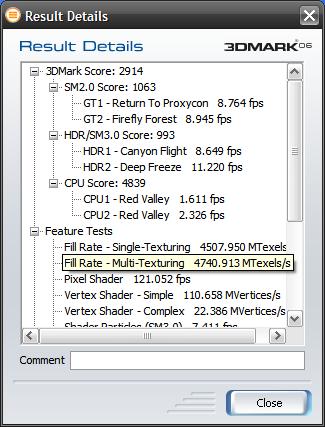
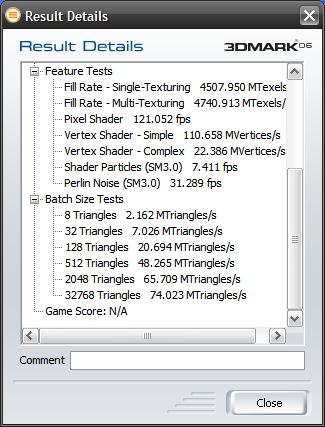
A a 3dMark06 benchmark is done here:
https://www.legitreviews.com/the-xfx-7600-gs-pcie-video-card-review_336/8
The report that the main results are affected by the CPU (and my phenom is much more powerful) but the Shader Model 2.0 and 3.0 scores are posted at 1055 and 932 respectively, very similar to my 1063 and 993.
Unigine Sanctuary
I did run this benchmark but at a different setting to that which I used on every other system on this website so to post the results here would just be misleading.
Had the card not died on me I could easily have retested at the correct settings but sadly this is not going to be an option.

Conclusions
It is hard to draw too many conclusions about the performance of this card, without other models of the same generation (or even a 660GT) to compare it too.
The DDR1 memory is certainly going to be a bottleneck, but how much of one cannot yet be proved.
It did show signs of competing well in the earlier games even against the later cards but there did seem to be some odd behaviour which may be the card slowly dying or may be the driver issues.
Forceware 175.16 worked flawlessly with the little 7300SE and everything ran just fine for that one in the very same Phenom II test system.
I do have another G73 card on the way, when it arrives and is tested I will revisit this article and update it with some more meaningful results.
I also have two X1650 cards from ATi to see what their last generation of midrange Pixel / Vertex cards can do.
So, less of a conclusion and more of a placeholder, for now.
Do check back.
 Ash's Retro Hardware Reviews
Leave a comment